

6mm clear float glass
Grounding a Welding Table Importance and Techniques Welding is a critical process in various industries, from automotive to construction, and it is fundamentally based on the principles of electricity and metallurgy. A key aspect of welding safety and effectiveness is ensuring proper grounding of the welding table. Grounding is not only essential for equipment functionality but also plays a crucial role in the safety of the welders and the work environment. Why Grounding is Important Grounding a welding table helps to prevent electrical shock. When a welder uses a welding machine, it generates an electrical current that needs a clear path to ground to ensure safety. Without proper grounding, there exists the risk of stray electrical currents that can lead to serious injuries or even fatalities. Grounding equipment also serves to protect sensitive components within the electrical circuit, helping to prevent damage from electrical surges and ensuring smoother operation. Moreover, effective grounding improves weld quality. A well-grounded welding table facilitates the flow of electricity during the welding process, ensuring that enough current reaches the weld area. Insufficient grounding can result in poor welds, which may be weaker or have defects, thus compromising the integrity of the finished product. This, in turn, could lead to catastrophic failures in applications where structural reliability is paramount. Techniques for Grounding a Welding Table To properly ground a welding table, several techniques can be employed. These methods vary based on the type of welding operation, the table material, and the specific requirements of the welding process. grounding a welding table 1. Use of Ground Cables The simplest and most common method is to attach a heavy-duty ground cable directly from the welding machine to the table. The other end of the ground cable should be connected to a grounding rod or a suitable earth connection. Tables made of conductive material like steel can serve as effective grounding points. 2. Dedicated Grounding System For workshops with multiple welding stations, it may be beneficial to create a dedicated grounding system. This can involve installing a series of grounding rods driven into the ground, connected with copper wires that run throughout the workshop, allowing each welding table to share the grounding system. 3. Grounding Brushes and Straps In cases where welders frequently switch between various equipment or move around, grounding brushes or straps can be attached to the welding table. These provide constant grounding regardless of the welder's movements and ensure consistent electrical flow. 4. Regular Checks and Maintenance It is essential to regularly inspect grounding connections and cables for wear, corrosion, or damage. Any issues should be addressed immediately to maintain optimal safety and performance levels. Conclusion Grounding a welding table is an indispensable practice in ensuring both safety and effectiveness in the welding process. As the industry continues to advance, awareness of the importance of proper grounding systems will only grow. By implementing effective grounding techniques and regularly maintaining equipment, welders can safeguard not only their well-being but also enhance the quality of their work. Ultimately, proper grounding is not merely a technical requirement; it is a fundamental aspect of creating a safer and more efficient welding environment. Investing time and resources in grounding practices will pay dividends in terms of safety, equipment longevity, and the quality of the final welds produced.
about
6mm clear float glass
Standard Bore Gauge En Nøgle til Præcision inden for Måleteknik Inden for måleteknik spiller standard bore gauge en uvurderlig rolle i at sikre nøjagtighed og pålidelighed i en række industrielle og tekniske anvendelser. En bore gauge, også kendt som en borhuls-måler, er et instrument designet til at måle indvendige diametre på cylindriske huller, og derfor er den vigtig for mange industrier, herunder bilproduktion, flyindustrien og maskinfabrikation. Hvad er en Standard Bore Gauge? En standard bore gauge er typisk et præcisionsinstrument, som bruges til at måle diameteren af borede huller, og dens design er ofte baseret på internationale standarder for at sikre ensartethed og pålidelighed. Den består normalt af en skala, der kan aflæses for at bestemme diameterens størrelse, og den kan være udstyret med forskellige standardmål for at imødekomme forskellige applikationer. Det kan være analogt eller digitalt, afhængigt af behovene i den specifikke industri. Hvorfor er det vigtigt? Afstanden mellem komponenter i et produkt kan have stor indflydelse på dets ydeevne. I bilindustrien kan en lille variation i diameteren af et borhul føre til ineffektivitet eller endda mekaniske fejl. Standard bore gauges gør det muligt for ingeniører og teknikere at kontrollere, om især forlængede og specielle huller har den rigtige måling, hvilket derefter sikrer, at de dele, der skal monteres fremad, fungerer korrekt sammen. Dette beskytter ikke bare mod fejl, men det fremmer også en bedre kvalitet af det endelige produkt. Målemetoder En standard bore gauge kan anvende flere målemetoder, herunder 1. Vernier En simpel, men effektiv metode, hvor målingen aflæses direkte fra en skala. 2. Digital måling Giver øjeblikkelig aflæsning og mulighed for mere komplekse målinger. 3. Indvendige måleprober Disse kan indstilles til forskellige dybder, hvilket er nyttigt i applikationer, hvor huller ikke altid er ensartede. standard bore gage Det er vigtigt at vælge den rigtige type bore gauge baseret på hvilket materiale, der måles, samt hvilke tolerancer der kræves. Anvendelse i Industrien I industrien finder vi behovet for at kontrollere borhuller dagligt. I bilsektoren er der strenge krav til tolerancer, da det påvirker motorens ydeevne og sikkerheden i køretøjet. For flyindustrien er nøjagtigheden ikke bare en krav, men en livsnødvendighed – hvert hul, en bolt eller komponent går igennem, skal måles ned til den mindste detalje. Udfordringer og Fremtidige Tendenser Selvom standard bore gauges er pålidelige, er der stadig udfordringer knyttet til præcision og måleteknologi. Udviklingen inden for teknologi betyder, at vi nu ser avancerede måleteknologier, der kombinerer metoder som laserskanning og 3D-måling for at opnå endnu højere nøjagtighed. Fremtiden for bore gauges ser lys ud, med muligheden for integration af IoT (Internet of Things) for bedre dataindsamling og analysatorer, der kan hjælpe med at sikre kontinuerlig overvågning af måleprocessen. Konklusion Standard bore gauges har sin plads i at sikre kvalitet og præcision i mange industrier. Ved at investere i de rette måleværktøjer kan virksomheder undgå fejl og forbedre effektiviteten i deres produktionslinjer. Med den fortsatte udvikling inden for teknologi vil vi se endnu mere innovative løsninger, der gør måleteknik mere præcis og effektiv. Uanset hvilken industri det drejer sig om, vil standard bore gauges fortsat være en kritisk komponent i stræben efter kvalitet og præcision.
-

High quality industrial productsagement

High quality industrial products
View Details -

Meet the diverse needs of customers

Meet the diverse needs of customers
View Details -

Strict quality control

Strict quality control
View Details -

Top raw materials

Top raw materials
View Details -

Trusted supplier

Trusted supplier
View Details
Our application
news and information
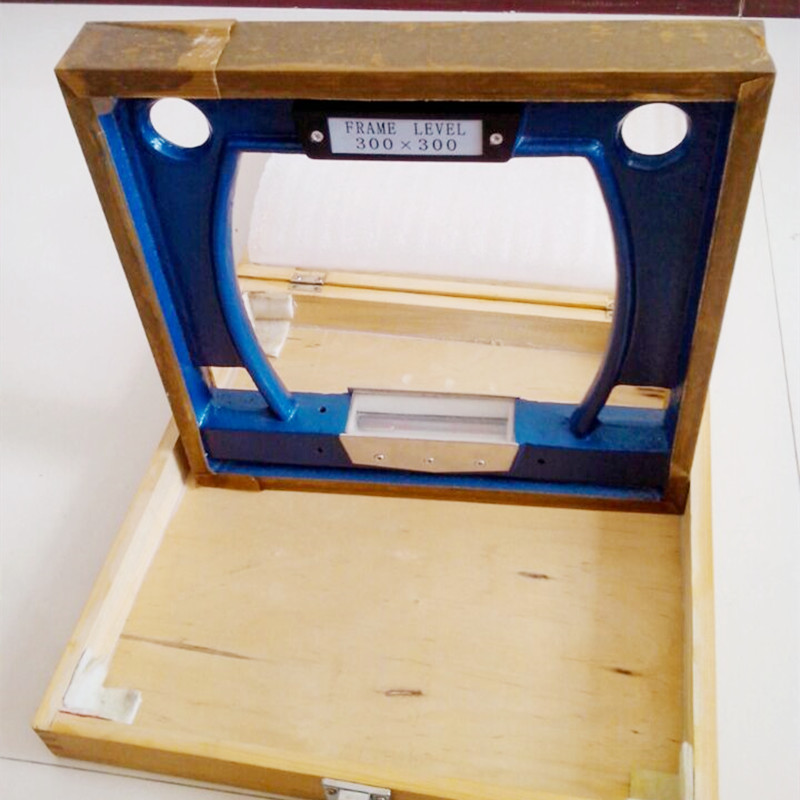
Versatile 3x6 Fabrication Table Designed for Welding Projects and Metalworking Applications
The Versatility and Importance of a 3x6 Welding Table Welding is a critical skill in various industr
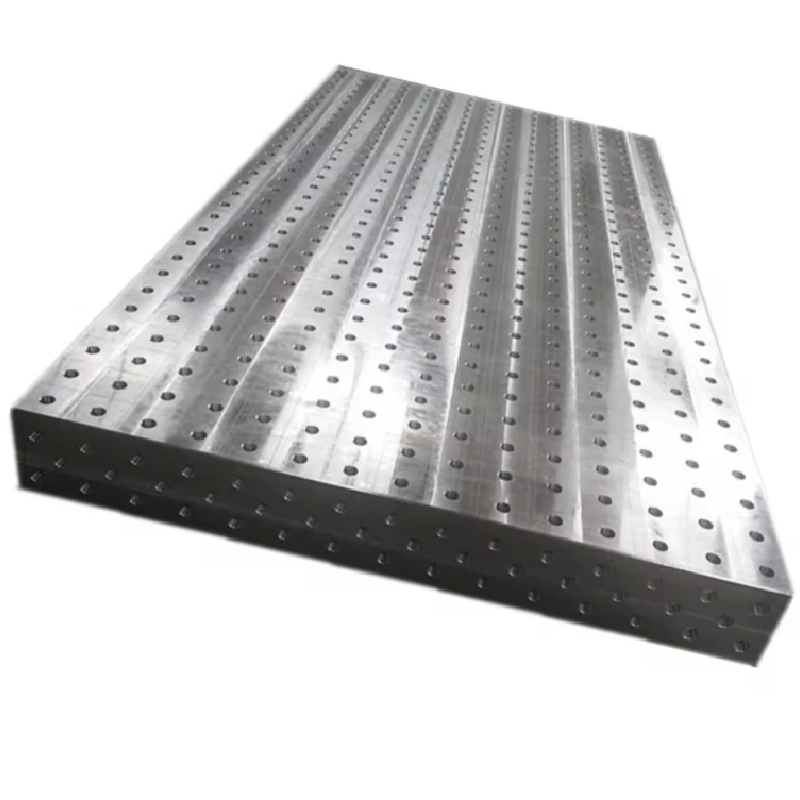
Versatile 5x10 Foot Welding Table for Efficient Metalworking Projects and Fabrication
The Importance of a 5x10% Welding Table in Modern Metal Fabrication Welding is an essential process
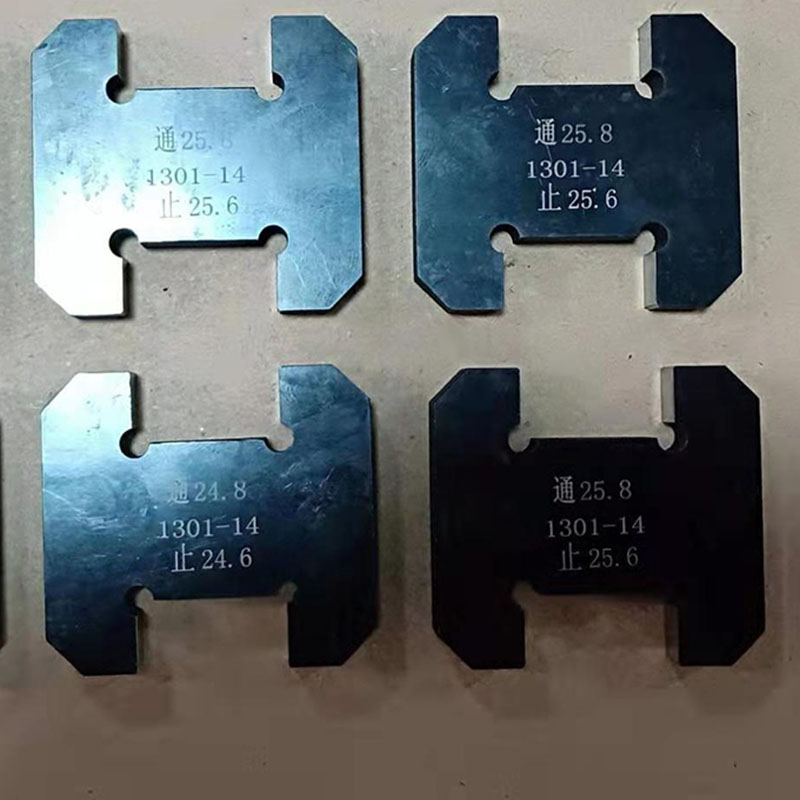
Water Line Valve - Essential Solutions for Efficient Water Management
Understanding Water Line Valves Key Components in Plumbing Systems Water line valves play a crucial
 English